Derek Ralston

personal transformation through self-experimentation

  • Blog
  • Resources
  • Books
  • About
  • Contact
  • Transformational Fasting

Caffeine Works Better When You Don’t Use It Every Day

April 7, 2026 by derek Leave a Comment

Caffeine Works Better When You Don’t Use It Every Day

A simple system for using caffeine as an amplifier—not a baseline

Most people don’t realize they’re dependent on caffeine. Around 80–90% of adults in the U.S. consume caffeine every day. It works—it gives you energy, focus, and helps you get through your day. But over time, it quietly shifts from something you use into something you need just to feel normal.

I didn’t fully realize this until I tried going without it. What I discovered wasn’t that caffeine was “bad.” It was that I had lost my sensitivity to it—and with it, my ability to feel my natural energy clearly.

In a world where we’re constantly stimulated—by screens, notifications, and endless inputs—caffeine just adds another layer. What I was really looking for wasn’t more stimulation. It was a way to reset.

That’s what led me to experiment with what I now think of as caffeine fasting.

The short version

If you only remember one thing, it’s this: don’t use caffeine every day. Give your body regular breaks so it can reset—everything else builds on that.
Caffeine Usage Infographic

From Fasting to Using

My first instinct was to quit caffeine completely. I even did a three-month stretch without it (I wrote about that experience here), which helped break the cycle of daily dependence—afternoon crashes, poor sleep, and the withdrawal headaches that came when I stopped.

But over time, I realized something important. Caffeine itself wasn’t the problem. How I was using it was.

So instead of avoiding it entirely, I shifted to something more flexible: regular periods without caffeine, combined with intentional use on specific days. Not abstinence, but a rhythm of reset and use.

The Real Model: Nervous System Balance

What changed everything for me was seeing caffeine through a different lens.

  • Caffeine stimulates your body’s “go” mode (like a gas pedal)
  • Your body also has a “rest” mode (like a brake)

Instead of asking whether I should have caffeine, I started asking what state my body was already in. If I was stressed, low energy, or already wired, caffeine pushed me further out of balance. If I was well-rested, it felt clean, useful, and even enjoyable.

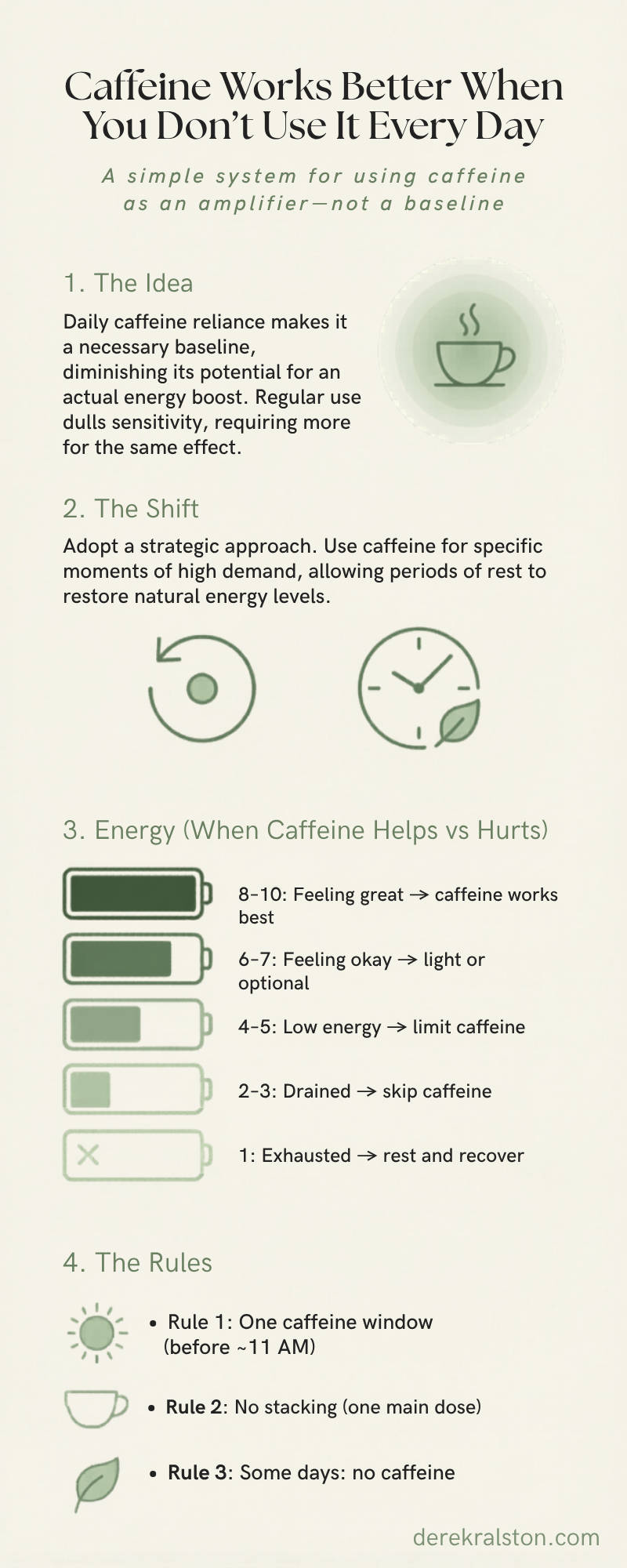
Energy (When Caffeine Helps vs Hurts)

Before reaching for caffeine, do a quick check-in:

How do I feel right now? (1–10)

8–10 (Good / Energized) Caffeine tends to work best here. It can take a good state and amplify it.

5–7 (Okay / Neutral) You can go either way. A small amount might help, but it’s not going to change your day.

1–4 (Drained / Depleted) This is where it gets counterintuitive. This is when most people reach for caffeine — and when it tends to work worst. Instead of restoring energy, it often just makes things feel more wired and less stable, and can make sleep worse later.

A better way to think about it

Caffeine isn’t really a fix for low energy — it’s more like an amplifier.

What I’ve found is that it works best when my body already has the capacity for stimulation. If I feel good, it enhances that. If I feel depleted, it usually just adds noise on top of it.

Most people are operating a little depleted by default, which is part of why caffeine becomes a daily habit. This approach flips that.

What to do instead on low-energy days

On low-energy days, the goal isn’t to push through with caffeine. It’s to actually restore your baseline.

That usually looks like:

  • eating something simple (carbs + protein)
  • drinking water (maybe with a pinch of salt)
  • taking a short walk

Not exciting, but it works much better than trying to override how you feel.

The Two Rules That Matter Most

After a lot of experimentation, most of the benefit came down to timing and avoiding stacking.

Timing matters more than I expected. I now keep all caffeine before about 11 AM. With a half-life of roughly five hours, 100 mg at 11 AM still leaves about 25 mg in your system around 9–10 PM—enough to subtly impact sleep. Thinking in terms of what remains at night changed how I use caffeine more than anything else.

Stacking was the other issue. My pattern used to look like this: tea, then matcha, then a milk tea—multiple small doses that didn’t feel like much individually but added up over time. The result was a longer caffeine curve, more impact on sleep, and a stronger sense of dependence. The fix was simple: one main caffeine moment per day, most of the time.

Why Caffeine Fasting Matters

One of the biggest insights for me was that if you never fully clear caffeine, you’re never truly at baseline. Because of its half-life, if you’re using it every day, you may not fully clear it before your next dose.

Regular no-caffeine days:

  • reset tolerance
  • restore sensitivity
  • improve sleep

They’re not about restriction—they’re what make caffeine work again.

Matching Caffeine to the Day

Instead of using caffeine every day, I started matching it to when it was actually worth it.

  • Strength training → improves performance and enjoyment
  • Hikes or social experiences → enhances the moment
  • Already tired or stressed → usually makes things worse

Caffeine works best when it amplifies good states, not when it tries to compensate for bad ones.

A Weekly Rhythm (Optional Structure)

Alongside this, I keep a loose weekly rhythm—not as a strict rule, but as a backdrop.

  • Mon / Wed / Fri → no caffeine (reset days)
  • Tue / Thu → light caffeine (strength training)
  • Sat → flexible (often a hike with my wife Joanna)
  • Sun → flexible (another workout or active day)

The difference now is that this rhythm is secondary. How I actually feel takes priority. If I feel low energy, I skip caffeine—even on a “flexible” day. If I feel good, I might use it on a weekday.

The rhythm provides structure, but it doesn’t override what my body is telling me.

Travel / Vacation

When I’m traveling, I relax the system. I still keep the most important rule—caffeine early in the day—but everything else becomes more flexible. I might have fewer no-caffeine days, and there’s more room for rituals like tea or coffee.

The goal isn’t perfection. It’s to enjoy the experience without losing the structure that protects my sleep.

What This Feels Like

The biggest shift hasn’t been physical—it’s been mental. I used to feel dependent and reactive, like I needed caffeine just to function. Now it feels optional and intentional, aligned with how I actually feel.

Some days I use it and enjoy it. Some days I don’t think about it at all.

Takeaway

Around 80–90% of people use caffeine every day, often without questioning it. I was the same way.

What changed for me was simple: I stopped using it daily and started using it intentionally—early, without stacking, and only when it actually added value.

Now it’s something I choose, not something I rely on. And when I do use it, it actually works.

Most days, I don’t think about caffeine at all.
Share this:

  • Tweet
  • Email a link to a friend (Opens in new window) Email

From Wearables to Wisdom: Building a Health Coach Agent with GPT and Make

May 28, 2025 by derek Leave a Comment

From Wearables to Wisdom: Building a Health Coach Agent with GPT and Make

In 2018, I wrote about using personal health data to generate self-knowledge. Back then, just visualizing my steps and sleep trends was insightful. But in 2025, with the power of GPT-4 and tools like Make, we can go far beyond dashboards.

Today, I use a GPT-powered agent that interprets my wearable data daily and gives me a motivational recovery and activity summary—like a personalized coach that reads my biometrics and gives me tips on how to approach the day.

The Agent

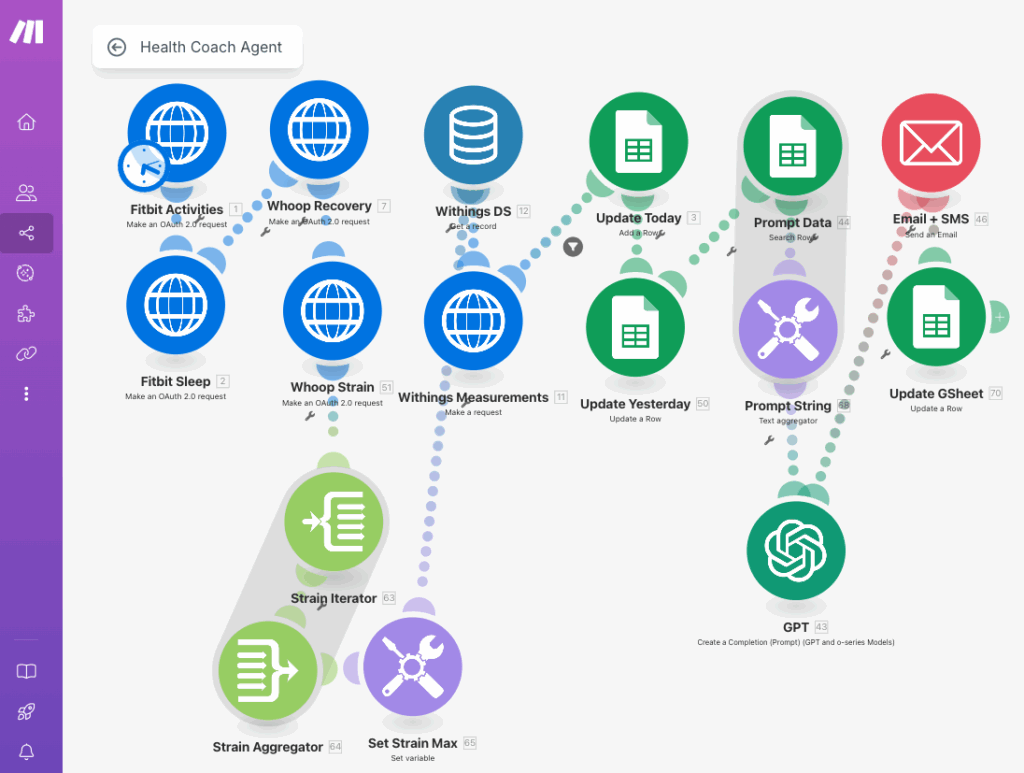
My agent connects data from Fitbit, WHOOP, and Withings (smart scale), transforms it into a readable summary, and then feeds it to GPT-4 via the OpenAI API. For these daily tips, I prompted GPT-4 to keep the tone warm, grounded, and supportive—like a mindful coach or caring friend. Each morning, I get a short, encouraging analysis like:

You’re doing an amazing job balancing recovery and activity—great work getting 9.2 hours of sleep last night and bouncing back with a strong 74 recovery score today after a low-strain rest day on 5/26. That drop in RHR and boost in HRV yesterday shows your body appreciated the break. To support recovery today, keep hydration steady and consider a short breathwork or stretching session mid-day to help regulate your nervous system. For movement, aim for a Light-to-Moderate strain day (6–9)—a brisk walk, easy cycling, or light bodyweight circuit could be perfect. You’re listening well to your body—keep riding that wave of mindful momentum.

I built this without writing traditional code, using Make—a powerful no-code tool I would recommend (and yes, that’s an affiliate link).

Here’s what part of the Make scenario looks like behind the scenes:

Why This Matters

Health device data is often trapped in silos, making it hard to get more holistic coaching tips. While dashboards are useful, they rarely talk to you. This project shows how easy it’s becoming to:

  • Unify your data from multiple sources
  • Use GPT to make sense of it
  • Deliver a coaching experience that adapts to your recovery and activity trends

We’re entering a new phase where agents act not just as interfaces—but as interpreters, guides, and motivators.

What’s Next?

I’m continuing to refine the prompts and logic (e.g., smarter activity and rest day suggestions). Eventually, this could plug into meal/drink logging, strength training cycles, or mood score check-ins.


Want the technical walkthrough, error handling tricks, and build instructions? Comment here or message me—I’m happy to share or publish a follow-up if there’s interest.

📺 Watch the Demo


👋 If you’re working in health tech or building agentic tools, let’s connect. The agent future is here—and it’s personal.

Share this:

  • Tweet
  • Email a link to a friend (Opens in new window) Email

Boost Your Workday Energy: 3 Unconventional Practices That Actually Work

January 8, 2025 by derek Leave a Comment

Boost Your Workday Energy: 3 Unconventional Practices That Actually Work

Sounds like somebody’s got a case of the Mondays!
-Office Space

Ever find yourself staring blankly at your to-do list on a Monday morning, wondering where you’ll find the motivation to start your day? You’re not alone. It’s not always easy to get energized to start the workday, and even more so to maintain high energy levels throughout the day.

This post isn’t about the usual advice like getting good sleep, drinking water, or taking regular breaks (although those are important). Instead, I want to share three unconventional practices I’ve discovered that have helped me maintain consistent energy throughout the day and avoid burnout.

1. Start using a treadmill desk

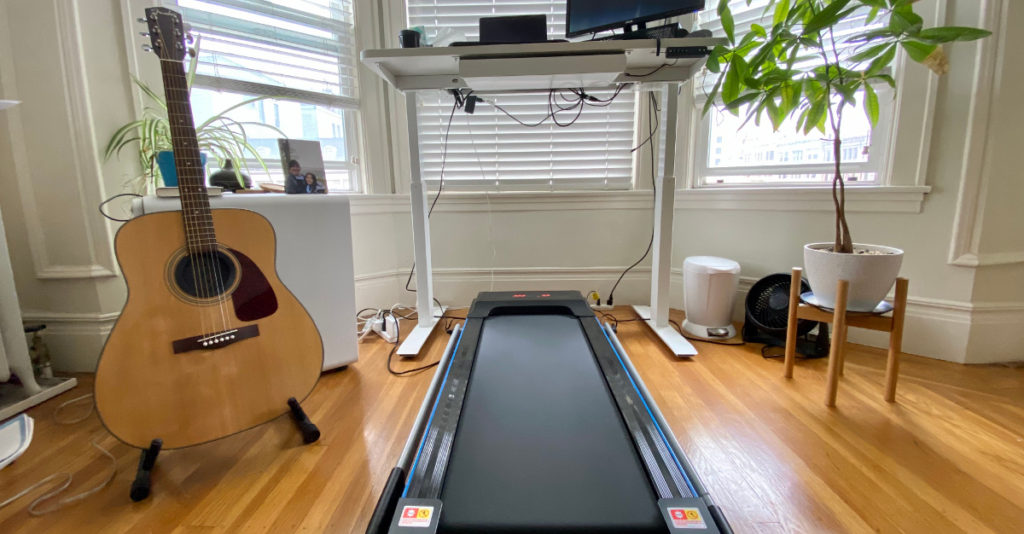
Treadmill Desk

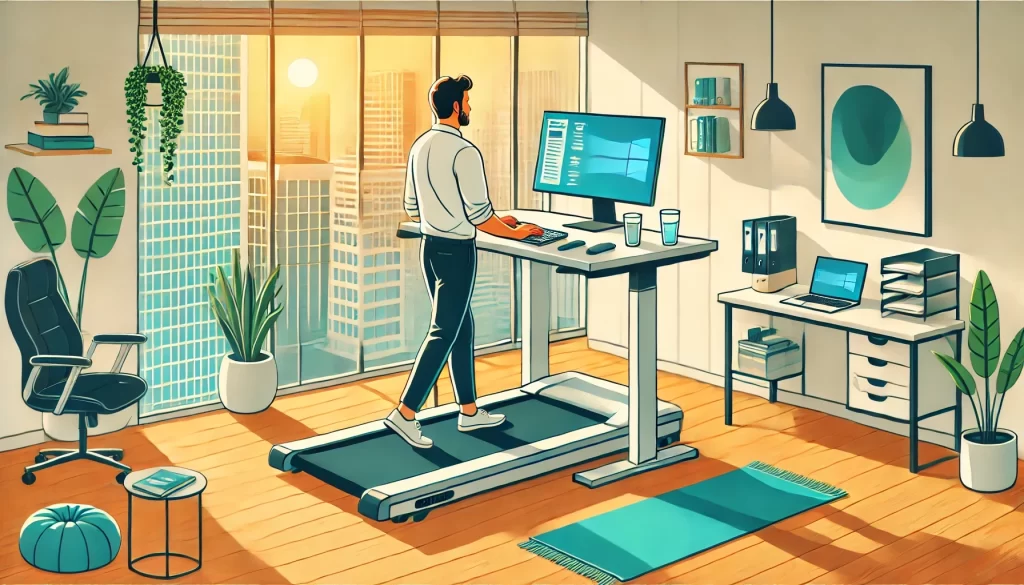
What if you could improve your health, boost your energy, and enhance your work performance, all without adding extra time to your day? Enter the treadmill desk: a standing desk paired with a treadmill or walking pad that allows you to walk at a slow, steady pace while working.

Why It Works:

More Energy and Less Stress: Walking throughout the day gives me a sense of flow and energy that lasts well into the evening. My legs might feel tired, but I carry significantly less stress in my body compared to sitting all day. This reduced tension likely contributes to my overall higher energy levels.

Increased Motivation and Productivity: Walking releases dopamine, the neurotransmitter that fuels motivation. By maintaining a slow trickle of dopamine throughout the day, I find myself more engaged with work tasks. While treadmill desks aren’t suitable for every task or meeting, most knowledge workers can find at least 2-3 hours a day to use one.

Double the Steps, Extra Calories Burned: Before my treadmill desk, I averaged 8,000-10,000 steps per day. With it, I now average 20,000 steps, burning an estimated extra 500 calories daily. Over time, that’s a game-changer for both health and energy.

Pro Tip: Start with a basic walking pad to test the waters. Walking at a slow pace (e.g., 1.5-2 mph) while working may take some getting used to, but it’s worth the adjustment.

Learn more about my experiences: So I Tried a Treadmill Desk

2. Reduce Caffeine Consumption

I Quit Caffeine For 3 Months- Before and After

Getting off caffeine is like turning down the heat. Everything becomes more manageable.
-Stephen Cherniske, Caffeine Blues

If you rely on caffeine to jumpstart your mornings or power through slumps, the idea of reducing or quitting may seem daunting. I felt the same way. But stepping away from caffeine brought unexpected benefits that made the transition worthwhile.

What I Learned After Reducing/Quitting Caffeine:

Freedom from Dependency: No more caffeine headaches, withdrawal fears, or obsessing over when to get my next fix. Now, my energy feels more natural and self-sustained.

Improved Sleep Quality: My Fitbit showed I was getting 30 minutes more sleep per night after quitting caffeine, with a 4-point increase in my sleep score. Better rest led to more consistent energy throughout the day.

Reduced Stress: Caffeine ramps up adrenaline, which can make everyday stressors feel overwhelming. Without caffeine, I found myself calmer and more resilient. My Heart Rate Variability (HRV), a marker of stress recovery, improved by 8% over three months.

Steadier Energy Levels: My energy no longer peaks and crashes. If I feel a slump, I tune into what my body needs, whether it’s a snack, a walk, or a short break.

Pro Tip: Not ready to quit entirely? Try reducing your intake gradually, or stick to a single morning cup to minimize withdrawal symptoms and sleep disruption.

Read about my full experiment: I Quit Caffeine for Three Months, Here’s What Happened

3. Write Down “3 Good Things” At the End of Each Day

Humans are hardwired with a negativity bias, meaning we naturally focus more on negative events than positive ones. By practicing “3 Good Things,” you can counteract this bias and build a more optimistic mindset, which translates to greater energy and resilience.

How It Works:

Each evening, write down three positive events from your day (at least one related to work). For each event, include:

  1. What happened
  2. How it made you feel
  3. Why it went well

Example:

  • Event: I received recognition from a colleague for resolving a major program risk.
  • How it made me feel: Appreciated and energized.
  • Why it went well: I proactively identified the root cause and worked collaboratively with stakeholders to resolve it.

Benefits I’ve Noticed:

Greater Well-Being: This nightly practice rewires your brain to focus on the positives, boosting gratitude and overall happiness.

Increased Resilience: Even on tough days, reflecting on small wins builds a buffer against stress and negativity.

Improved Sleep: Ending the day with positive thoughts helps me unwind, resulting in deeper, more restorative sleep.

Pro Tip: Use a dedicated journal for this practice. It’s rewarding to look back and see how much good happens, even on challenging days.

Learn More about the “3 Good Things Practice”: Berkeley Greater Good In Action PDF

What About You?

Have you tried any unconventional methods to energize your workday? What’s worked (or hasn’t worked) for you? I’d love to hear your insights in the comments!

Credits

  • Thank you to Joanna Chan for early draft feedback and moral support
  • Feature image, caffeine free image, and “3 Good Things” image generated using DALL-E

Share this:

  • Tweet
  • Email a link to a friend (Opens in new window) Email

I Quit Caffeine for Three Months, Here’s What Happened

November 22, 2024 by derek Leave a Comment

I Quit Caffeine for Three Months, Here’s What Happened

Did you know that over 90% of adults worldwide consume caffeine daily, making it the most widely used psychoactive substance? Despite its popularity, many people aren’t aware of how caffeine might be affecting their well-being. For years, caffeine was a big part of my daily life, from childhood sneaks of coffee to grown-up rituals of coffee or matcha. I had tried quitting multiple times before, but it was hard to shake off my dependence. This time, I decided to approach it differently, committing to quit caffeine for three months to see what would happen. Here’s my story and what I learned along the way.

N-of-1 Experiment Results Warning: When it comes to caffeine metabolism and consumption, you and I likely have different genetics. I do not carry the genetic markers CYP1A2, AHR that are known to increase caffeine metabolism and consumption (per my 23AndMe results). Additionally, through personal experience, I consider myself a caffeine-sensitive individual. This means that, in my n-of-1 experiment of quitting caffeine, which is documented here, my experiences with and without caffeine will likely be different from your’s. Knowing that, I am sharing in the hopes that some of my observations are helpful to you.

My History With Caffeine

My first memory of drinking a caffeinated beverage was as a kid at Sunday church service. My friend and I would sneak into a reception room where coffee was made for the adults. We would pour a small amount into a styrofoam cup, then add ridiculous amounts of sugar and cream until it tasted good. Later, as a teenager, my friends and I would drink Mountain Dew to stay up all night playing video games.

As an adult, my daily caffeine ritual became deeply ingrained, whether it was coffee, matcha, or tea. I tried quitting several times: in 2019, I made it a whole month, and earlier in 2024, I made it a week. Most recently, after a two-week trip to Italy where I enjoyed my fair share of caffè lattes, I found myself struggling with headaches as I returned to my usual caffeine consumption levels. To stave off the withdrawal symptoms, I upped my intake, and soon enough, I was back to feeling dependent on caffeine.

How Does Caffeine Work?

Let me state this clearly: A substance that purports to give you energy by stimulating your nervous system isn’t giving you anything. It’s harming you! Using stimulants is like whipping a horse. They work for a short time, but prove disastrous when used repeatedly.
-Stephen Cherniske, Caffeine Blues

Caffeine is a stimulant that works by blocking adenosine receptors in the brain. Adenosine is a neurotransmitter that promotes relaxation and sleepiness as it builds up in the brain throughout the day. By blocking adenosine, caffeine keeps us alert and reduces tiredness. It also triggers adrenaline, also known as the “fight-or-flight” hormone, which can increase heart rate, blood pressure, and energy. While caffeine helps improve focus and ward off fatigue, its effects can wear off, often leaving us feeling jittery and more tired.

The Benefits of Quitting Caffeine: What I Hoped For

Getting off caffeine is like turning down the heat. Everything becomes more manageable. There may still be half a dozen pots on the stove, but they’re simmering nicely instead of boiling over.
-Stephen Cherniske, Caffeine Blues

To fully commit to quitting caffeine after several failed attempts, I wrote down the specific benefits I hoped to gain:

Physical Benefits

  • No more fear of withdrawal or caffeine headaches
  • Better sleep and the ability to nap
  • Reset brain chemistry (e.g., adenosine receptors, dopamine levels)
  • Reduced tightness in shoulders and neck when stressed

Mental Benefits

  • Improved mood and energy: More consistent energy and stable mood
  • Increased empathy, compassion, and connection with loved ones
  • Calmer, more joyful, reduced anxiety, and feeling more centered
  • Feeling like myself and becoming the best version of myself
  • Reduced ego and jumping to conclusions, more genuine connection

Spiritual Benefits

  • Inner peace and stillness, connection to my higher self
  • Enhanced intuition, creativity, and mindfulness
  • Greater emotional awareness and deeper meditation practices

How I Quit Caffeine

Quitting caffeine cold turkey was out of the question. I had done that before and knew how painful it was, and there was no need for me to go through that again. So I looked at my 250 mg a day caffeine consumption, and built a daily plan to taper it down each day.

During the first week of tapering, I went from 250 mg of caffeine per day to 100 mg per day. I stayed productive at work, while being a bit less stressed and more carefree. I did feel more drowsy, especially during evenings, and slept really well.

For the second week of tapering, I went from 100mg of caffeine per day to 0mg per day. On a few nights during this time, I didn’t sleep well. I read that, paradoxically, caffeine reduction can cause temporary insomnia, so this is probably what was happening. My energy level and motivation stayed mostly the same during this time. On days when I had stronger withdrawal symptoms, such as a caffeine headache or low motivation, I took a supplement that many caffeine quitters swear by, 500 mg of D-Phenylalanine to help support my dopamine levels and reduce any headache pain I was feeling.

What Happened When I Quit Caffeine for Three Months

I kept a daily log after quitting caffeine, as well as tracked my sleep and other data points using a Fitbit and Whoop.

Fears vs. Reality

Quitting caffeine was intimidating because I had deeply ingrained fears about what might happen. Here’s how my fears compared to reality:

  • Fear: I’ll be miserable and tired all the time
    Reality: I was more tired than usual during a 2-week tapering phase (where I gradually reduced daily caffeine consumption until it was zero). I felt especially drowsy during the evenings of this tapering phase, and slept like a baby. This is to be expected as my body was adjusting to less caffeine. Beyond that 2 week period, I wasn’t any more tired than usual.
  • Fear: My dopamine levels will plummet and I’ll have no motivation
    Reality: There was really only 1 week (the first when I was fully off caffeine) where I felt low motivation. During that week, I took D-Phenylalanine as needed (earlier in the day), which supports low dopamine levels.
  • Fear: I’ll have caffeine withdrawal headaches for days
    Reality: This was not my experience, partially because I quit in a strategic way, by tapering my caffeine consumption during a 2-week period until I was at zero. There were occasional headaches, but these were manageable. And more surprisingly, after the initial withdrawal symptoms were gone, I didn’t have headaches at all.
  • Fear: I’ll be less productive at work
    Reality: During the first week after I fully quit caffeine, I was less motivated due to temporarily reduced dopamine levels, and therefore I was less productive at work. Beyond that, my motivation came back, but it felt different from caffeine-fueled motivation. I didn’t have a “cheat code” to power through busywork tasks. I still did busywork as necessary, but I went about my day in a more strategic way, by prioritizing the truly important work.
  • Fear: I’ll be less outgoing and won’t be able to connect with people as well
    Reality: As an introvert, I’ve felt that caffeine has helped me bring more outgoing energy than I would naturally have. Without caffeine, I have found myself to be a better listener, and conversations flow more naturally.
  • Fear: Going on weekend walks won’t be as fun as there won’t be the anticipatory hit of caffeine from a Milk Tea shop or Cafe
    Reality: I realized that the weekend walks weren’t about the caffeine hit, they were about enjoying being outside, having an adventure, and connection. And bonus was that our favorite Milk Tea shop had a decaffeinated option for me.

The Top Benefits I’ve Noticed After Quitting Caffeine

Benefits of quitting caffeine

Here are my top benefits after quitting caffeine:

  1. No More Caffeine Dependency: I don’t need caffeine for energy any longer, and there are no more caffeine headaches or fear of withdrawal. This cannot be understated. Before quitting, there was always the thought in the back of my mind after waking up about when I’d get my first / second hit of caffeine… And the follow up worry if I had it too late, how it’d impact my sleep. After quitting, there’s a sense of freedom, where I don’t need this thing outside of myself to feel energized. It’s empowering.
  1. Better Sleep: I felt more well-rested after quitting caffeine. On average, per Fitbit, I got 30 minutes more sleep per night, and my sleep score increased by 4 points (from 78 to 82). The first month of quitting caffeine, my sleep score averaged 80, month 2 was 83, month 3 was 82. I can see similar trends in Whoop, where my sleep performance went from 95% to 100% in the month after quitting caffeine, and has hovered in the 97% – 100% since that point.
  1. Improved Ability to Handle Stress: Stress itself isn’t bad, but the kind of stress that caffeine induces (through increased adrenaline) can be problematic. For me, I noticed that, while I still had stress, it wasn’t as bad as before, and I found better ways to deal with it (e.g. yoga, meditation, exercise). Per Whoop, my Heart Rate Variability (the body’s ability to deal with stress) improved by 8% over the course of my no caffeine experiment.
  1. More consistent energy throughout the day: My energy was more predictable throughout the day. If I needed more energy, I would listen to my body to see what was needed specifically, e.g. a break, a snack, yoga, exercise.

Post-Experiment Thoughts and Tips

It has now been a few weeks since I completed my three month experiment of quitting caffeine. Because of the benefits I’ve experienced after quitting caffeine, I’ve decided to make this a part of my lifestyle moving forward.

Here are some things I’ve learned that will make a no caffeine (or reduced caffeine) lifestyle sustainable long-term:

  1. Find Decaffeinated Beverage Options that You Love
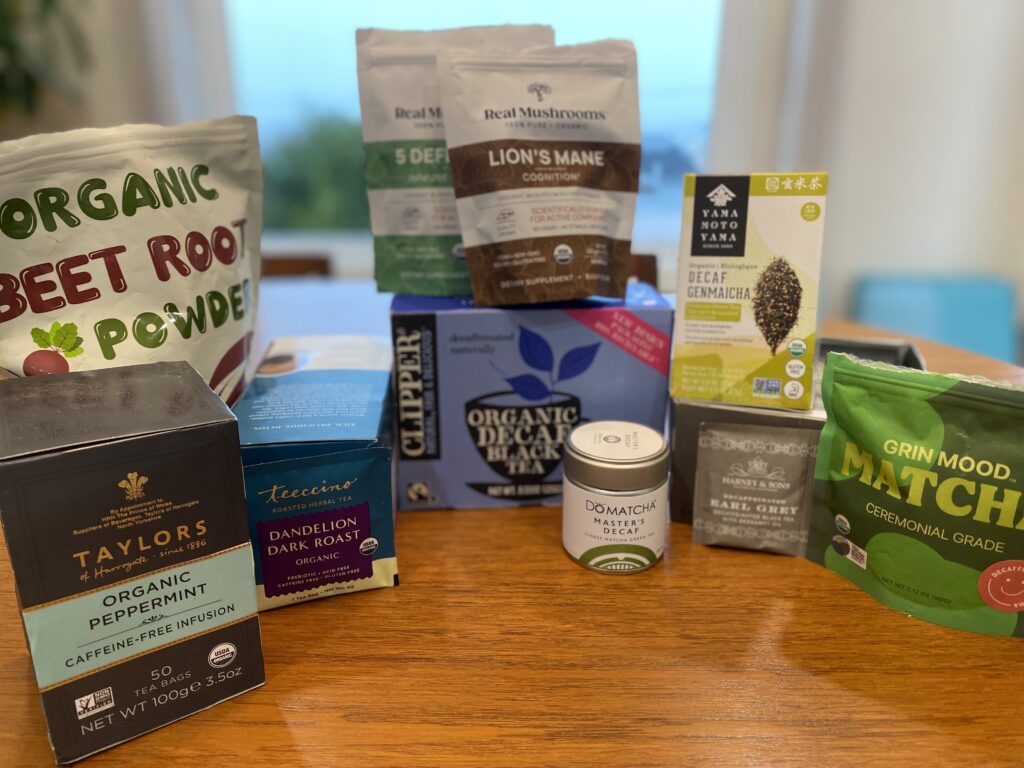
Decaf. products I've tried during my 3-month no caffeine experiment

If you love coffee / tea / matcha, like me, but just don’t love being addicted to caffeine, it will be important to find non-caffeinated substitutes. Here are some of my favorites:

Two decaf matcha options I recently tried, and wrote about on my Matcha Reviews blog.
  • Decaf. Matcha: Decaf matcha is a game-changer for tea lovers seeking the health benefits of matcha without the caffeine buzz. I recently did a head-to-head comparison of two stand-out decaf matcha options on my Matcha Reviews blog.
  • Decaf. Harney & Sons Bergamot black tea: This tea tastes amazing! With the bergamot oil, you can hardly tell this is decaf at all. I prefer it as a milk tea with ¼ cup of oatmilk and 1/2 tsp of maple syrup.
  • Decaf. Clipper Black tea: This one is great on its own and tastes about the same as a caffeinated black tea, and is decaffeinated using a natural process.
  • Yamamotoyama Organic Decaf Genmaicha Green Tea: If you enjoy genmaicha’s toasted rice, green tea flavor, this one is pleasant and almost the same as the caffeinated version.
  • Organic beet root powder: I drink this with 1 tsp of beet powder and ¼ cup of oatmilk. Beet powder has a naturally sweet flavor, and it works great as a pre-workout as it improves circulation and bloodflow.
  • Herbal Dandelion Tea (Teecino Coffee Replacement): Teecino has a nice coffee-like flavor, and includes pre-biotics which are great if you are looking for a drink that will help you stay regular (if coffee was doing that for you previously). I like to drink it as an iced milk tea with ¼ cup of oatmilk (no sweetener needed).
  • Golden milk tea: I like to mix turmeric, cinnamon, ginger, and oatmilk together, and heat it up for a warming drink.
  • Taylor’s Organic Peppermint tea: Peppermint tea can help wake you up in a more subtle way first thing in the morning or if you are feeling groggy.

You can try adding other ingredients to your drinks to make them more interesting. For example, there’s a milk tea shop that my wife and I visit that has an option to use chia seeds instead of boba. We enjoy that, so at home now, we often add ~1 tsp of chia seeds to our milk tea drinks (be sure to add them first and mix with a little hot water to get them to soften). Additionally, I find 1/2 tsp of this lion’s mane powder to be complementary with matcha, and 1/2 tsp of this mushroom powder blend works well with the Teecino herbal dandelion tea.

It’s important to have a plan ahead of time before going out or on vacations. For example, I now pack decaf. black tea bags with me, and if I’m meeting up with friends/family where everyone is ordering a caffeinated drink, I’ll ask for a cup of hot water and add my own tea bag. This is usually better than the decaffeinated choices that restaurants/cafes have these days.

  1. Find a new caffeine rhythm

For some people, caffeine only becomes a problem when it goes from the “first cup in the morning” to “drinking it throughout the day.” In this case, if you can cut it back to just one drink per day, that can be a healthy rhythm for you.

For others, like myself, you may be caffeine sensitive, and want to develop a new relationship with caffeine in your life, one that doesn’t involve needing it daily or becoming addicted to it (which can happen in only a couple days). In this case, you can try drinking caffeine less frequently, for example:

  • Zero caffeine: Don’t drink caffeine at all, or any products that contain even small amounts of it (e.g. decaf. products, chocolate). This option seems extreme for most folks, and IMO it’s not necessary to go this far.
  • Mostly no caffeine: Do your best to not drink caffeinated products. If you enjoy decaffeinated products (e.g. decaf tea / coffee) and those with very low amounts of caffeine (e.g. chocolate, low caffeine matcha), and they aren’t a problem for you, then enjoy those. You are getting less than 5 mg of caffeine in most of those products, so they won’t be a problem for most individuals.
  • Intermittent usage: Drink caffeine occasionally, when you really need it, e.g. if you have a long road trip and need to be alert after getting poor sleep.
  • Once per week: Drink caffeine once per week as a treat, e.g. on a Saturday as part of your weekend ritual. This will most certainly ensure you don’t develop a tolerance to it as long as you don’t add caffeine more frequently (it’s a slippery slope).
  • Every other day: Andrew Huberman recommends this approach on his podcast (see full clip), he says “Taking caffeine on alternating days can help maximize the performance-enhancing effects of caffeine without suffering from the effects of caffeine withdrawal. Caffeine can be habit-forming, and we can develop a tolerance to caffeine. The every-other-day schedule of caffeine intake seems to be the most rational and scientifically grounded one to maximize all the effects of caffeine. Regular caffeine users can still derive the cognitive enhancing and focus-enhancing effects of caffeine if they ingest caffeine every day. However, taking two days off from caffeine completely and then taking caffeine in the 30 minutes prior to some important event can have an even greater effect.”

Note that if you drink caffeine less frequently, and are caffeine sensitive, your tolerance to it will stay low. On the days you consume caffeine, you might consider pairing your caffeinated beverage with l-theanine (the active calming ingredient in green tea leaves) to give yourself a smoother caffeine experience. On caffeine days, if you are caffeine sensitive, and especially if you consume caffeine beyond noon, I’d recommend taking a De-caffeinate pill (Rutaecarpine, a natural alkaloid found in the Chinese herb Evodia) at the end of the day to help you quickly metabolize the remaining caffeine in your body and get good sleep.

  1. Join a decaf. community

In the first few weeks of my no caffeine experiment, I read a lot of inspiring blog posts on quitting caffeine, and eventually, I found the Reddit community r/decaf, which was extremely helpful. I didn’t actually post to this community, but reading about others experiences helped me understand what I was going through and feel that I wasn’t alone in my goal to quit caffeine.

  1. Get your energy in other ways
Treadmill Desk

There are plenty of other ways to give yourself an added boost of energy:

  • Knowledge workers can try using a treadmill desk: This was one of the biggest boosts to keep my energy consistent during the work day. See my full blog post and experiment results on this: So I Tried a Treadmill Desk
  • Cardio earlier in the day: This can give you an extra boost going into your workday. I like to use an exercise bike.
  • Strength training later in the day: This is a great way to give you a boost in the afternoon/evening.
  • Yoga or meditation: Yoga and meditation practices are known to help you get centered and balance your energy levels. Even a short session can make a huge difference.
  • Intermittent fasting: I skip breakfast each morning, which gives me a stronger ability to focus during the workday (see blog post). I do 24-hour fasts 1-2x per week, and without caffeine as an appetite suppressant, these are a bit more difficult, so recently I’ve been using Rhodiola on those 24-hour fast days to help my body adapt.
  • Keep a gratitude journal: Staying positive and building your gratitude muscle is a way to most definitely increase energy levels. I follow the 3 Good Things journaling practice, which I do just before bedtime each evening.

Have you ever considered quitting caffeine? What benefits or challenges did you experience?

Credits

  • Thank you to Jason Divis, Joanna Chan, and Marvé Ralston for early draft feedback and moral support
  • Visuals (other than decaf. product photos, treadmill desk) generated using DALL-E

Share this:

  • Tweet
  • Email a link to a friend (Opens in new window) Email

Will Intermittent Fasting While Working Make Me Underperform?

January 8, 2022 by derek Leave a Comment

Will Intermittent Fasting While Working Make Me Underperform?

When any real progress is made, we unlearn and learn anew what we thought we knew before.

—Henry David Thoreau

We’ve been conditioned by the food industry to believe that fasting will make us underperform. For example, Snickers labeled their candy bars with words such as sleepy, grouchy, and impatient. And we’re bombarded with messages by advertisers like “breakfast is the most important meal of the day.”

Why would food companies intentionally instill this false belief in consumers? It comes down to prioritizing their profits over our health. There is a large marketing spend each year to get consumers to buy more food. Ultimately, big food companies benefit when consumers believe that fasting leads to underperformance.

How do you feel after a big meal?

Think about the last time you ate a big meal, maybe over the holidays. Afterward, you were likely in a food coma due to your body sending blood down to your digestive system and away from your brain. Now think about the last time you were hyper-focused and alert. You were likely in a fasted state during that time. There’s a reason for this: during caloric deprivation, the brain maintains or even boosts its abilities. From an evolutionary standpoint, this makes sense—if you need to find food, this extra brainpower can help you perform better on any task that requires focus and concentration.

Our use of the word “hungry” in spoken language is very telling. When we say “she’s hungry for the job” or “he has a deep hunger to win,” we mean that the person is focused on the task at hand. For most people, it seems ironic that fasting is what actually gives us that focused energy, not hunger.

But if I skip a meal, won’t I starve to death?

Fasting is often thought to be synonymous with starvation. This is incorrect—fasting is voluntary while starvation is not. According to Dr. Jason Fung, MD,

Fasting and starving live on opposite sides of the world. It is the difference between recreational running and running because a lion is chasing you.

When someone is starving, they don’t have access to food and don’t know when they will have their next meal. When someone is fasting, food is readily available, but they are not eating for their own reasons. Starvation is outside of one’s control while fasting is a conscious choice. It’s your body—you choose when to start your fast, when to end it, and how long it will last.

Humans did not evolve to require three meals a day, every day, for optimal function or health. Eating three meals a day was largely a consequence of industrialization; as our workday became formalized, much of the population was drawn away from home on a regular basis. Before their commute, workers ate breakfast to sustain their energy. Midday, they would eat lunch, which was often something simple like bread and butter. And after they returned home, they would have dinner.

When we fast, the body doesn’t immediately go into “starvation mode.” Instead, it switches energy sources from food (stored as glycogen) to fat. This is the reason we store fat in the first place—to be used when no food is available.

What does science say about fasting and mental performance?

Studies have proven that our mental sharpness does not decrease during fasting. One study published in the Journal of Psychiatric Research in 1995, showed that after a 24-hour fast, tasks including sustained attention, attentional focus, and reaction time were not impaired. Another study published in the American Journal of Clinical Nutrition in 2008, involved two days of almost complete caloric deprivation and found no negative effect on cognitive performance.

You won’t underperform if you skip a meal. This false belief is perpetuated due to the spread of misinformation to get consumers to buy more food. So next time you have an important task at hand but you’re feeling hungry, try not to take a bite of that Snickers bar.

Want 10x the benefits of intermittent fasting?

Transformational Fasting is available in print of eBook editions:
Amazon | Apple iTunes | Barnes & Noble | Smashwords (all eReader formats, PDF)

References

  1. Green, Michael W., Nicola A. Elliman, and Peter J. Rogers. “Lack of Effect of Short-Term Fasting on Cognitive Function.” Journal of Psychiatric Research 29, no. 3 (1995): 245–53. Accessed July 22, 2021. https://doi.org/10.1016/0022-3956(95)00009-t.
  2. Lieberman, Harris R, Christina M Caruso, Philip J Niro, Gina E Adam, Mark D Kellogg, Bradley C Nindl, and F Matthew Kramer. “A Double-Blind, Placebo-Controlled Test of 2 D of Calorie Deprivation: Effects on Cognition, Activity, Sleep, and Interstitial Glucose Concentrations.” The American Journal of Clinical Nutrition 88, no. 3 (2008): 667–76. Accessed July 16, 2021. https://doi.org/10.1093/ajcn/88.3.667.

Credits

  • Thank you Joanna Chan for providing feedback on the draft of this blog post
  • Photo by Joshua Fernandez on Unsplash

Share this:

  • Tweet
  • Email a link to a friend (Opens in new window) Email

Q&A with Author Derek Ralston About His Latest Book: Transformational Fasting

January 3, 2022 by derek Leave a Comment

Q&A with Author Derek Ralston About His Latest Book: Transformational Fasting

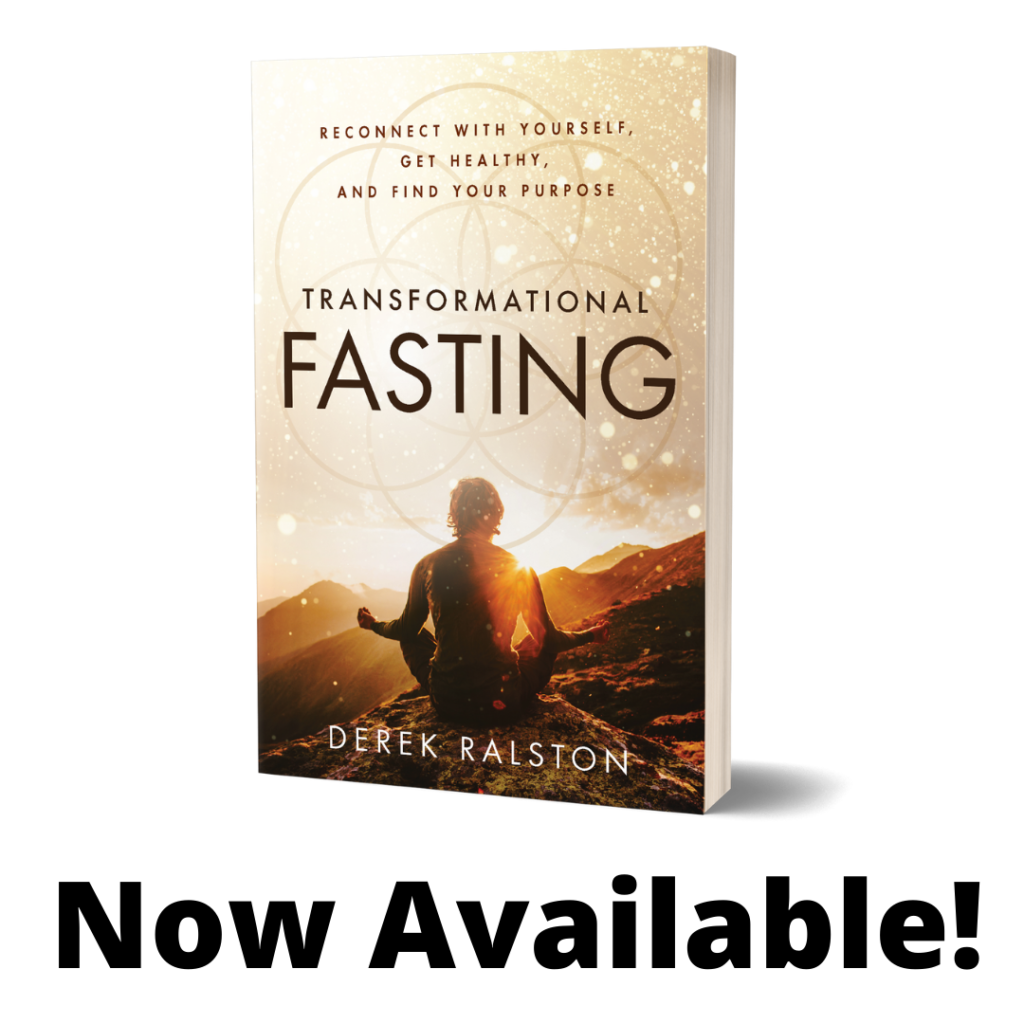
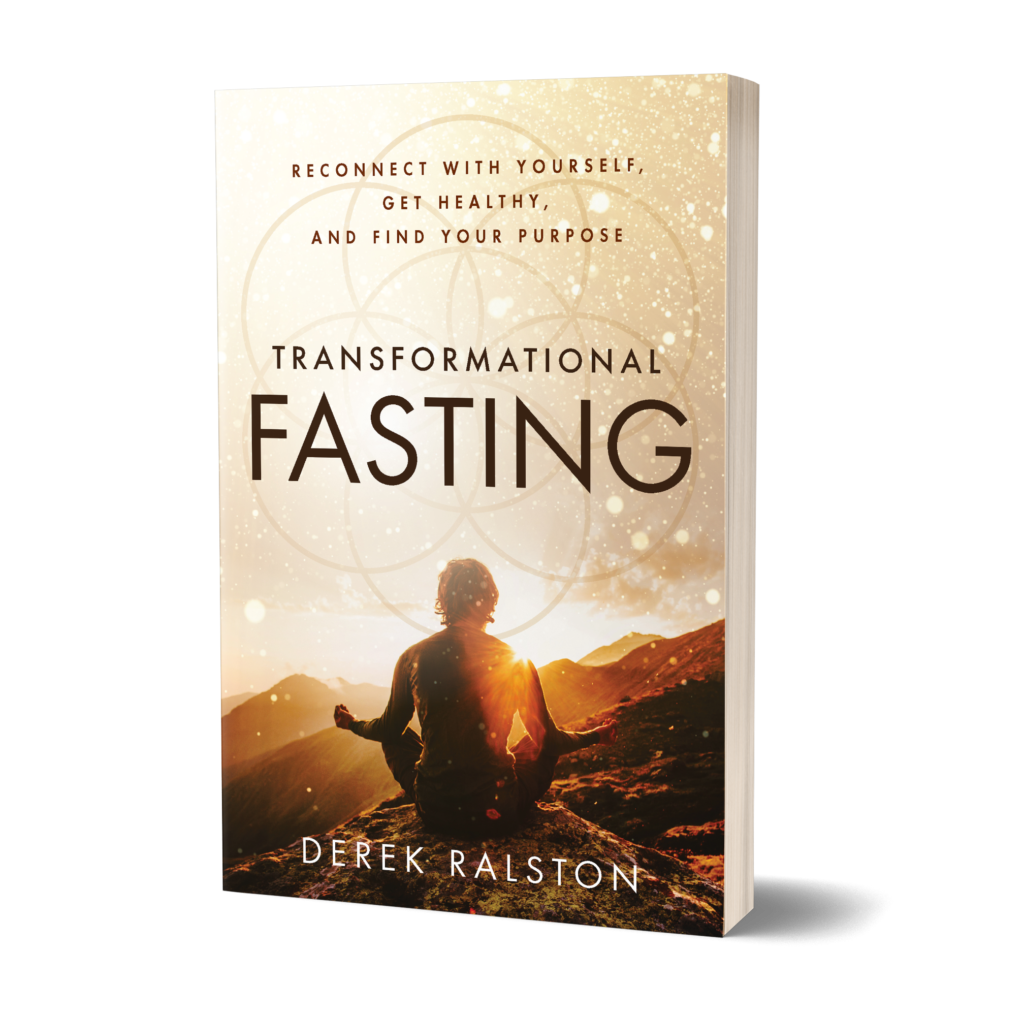
I’m excited to announce the release of my book, Transformational Fasting: Reconnect with Yourself, Get Healthy, and Find Your Purpose, in both print and eBook format. To learn more, sign up for free sample chapters of the book at TransformationalFasting.Com or you can go directly to Amazon and other online book retailers to purchase it.

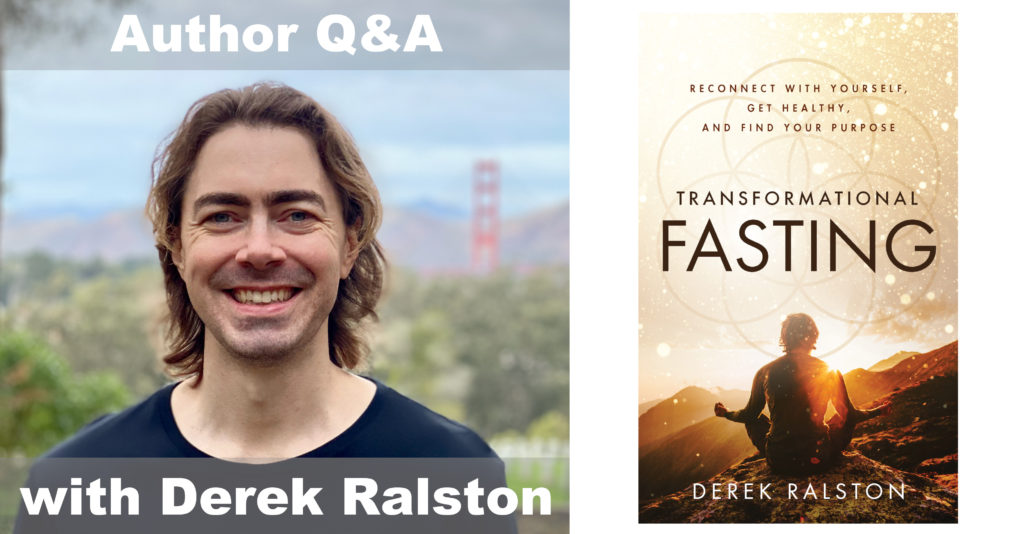
Today I had the chance to sit down and talk about Transformational Fasting with Joanna Chan—here’s the full recording and transcript.


Q&A Transcript

Hi! I’m Joanna Chan, and today we’re going to be talking with Derek Ralston about his new book, Transformational Fasting: Reconnect with Yourself, Get Healthy, and Find Your Purpose.

Derek, congrats on releasing your book—I found Transformational Fasting to be a refreshing change of pace from the popular narrative of fasting for fitness only. I foresee this book serving as a no-nonsense guide for readers interested in fasting for personal transformation.

Thanks so much, I’m glad you enjoyed it!

Let’s jump right in with the questions. What inspired you to write this book?

Four years ago, my reality came unglued—my long-term relationship came to an end, and I was laid off from my job at nearly the same time. I wasn’t sure what to do next, and I needed a bridge to the next phase of my life as a way to work through things and get to the other side. I decided to walk the Camino de Santiago, which is a 500-mile pilgrimage across Spain. I had an amazing experience, and when I returned from the trip, I felt more connected and human than I had before. I slowly reintegrated with day-to-day life and realized that, to keep that sense of connection I had felt, I would need a practice that mimicked going on a journey like my pilgrimage. That’s when I discovered transformational fasting.

I’ve been experimenting with transformational fasting ever since then. After a four-day fast earlier this year, I felt a surge of creative energy that I hadn’t felt in a long time. I started writing a blog post about my experiences, and ended up having much more to say than could fit into a single post. So I decided to write a book instead.

I’m really excited for this book to get out into the world, as I think it can help a lot of people out there… People who are already doing intermittent fasting, yoga, and meditation… And are seeking a deeper transformation. Especially anyone that’s out there feeling disconnected from themselves or stuck in life. If even one person reads this book and it changes their life for the better, it was worth writing.

Wow, that’s quite the journey you went on to get to this point. Can you tell us more about your book?

When I think about transformational fasting, the Spiderman quote comes to mind, “With great power comes great responsibility.” Fasting—especially multi-day fasting—is a powerful healing practice, and with that power comes great responsibility. So you need to approach it with careful planning and consideration of the risks involved. This book walks you through all the steps and potential risks, and even has a checklist to make sure you don’t forget something as you plan for you fast.

At its core, the book is a guide for using fasting to transform your life. It’s a book I would’ve liked to have when I first learned about fasting. I’ve pulled together lots of ideas from my own fasting experiences and research, as well as mindfulness practices and training that I’ve found to be synergistic with fasting. It also pays homage to my three favorite books and authors: The Untethered Soul by Michael Singer, The Four Agreements by Don Miguel Ruiz, and Man’s Search for Meaning by Victor Frankl.

While the book covers all types of fasts, it focuses primarily on transformational fasting, which is when you go on a fast of three days or longer with an intention of transformation in the physical, emotional, and spiritual parts of yourself. The book starts with a general overview of fasting, what’s going on in the body, what to look out for, and some of my learnings from early transformational fasts. Next, it tells you exactly how to prepare for your own first transformational fast in an intentional way. Then it tells you how to fast consciously, and how to spend your time during the fast. And finally, it tells you how to break your fast, reflect, and reintegrate into the world.

I love that Spiderman quote, and The Four Agreements is also one of my favorite books. Moving on to our next question—what did you learn when writing the book?

I’ve been practicing transformational fasting for the last four years, so a lot of the learnings were captured during my previous transformational fasts, and research I did around those.

One of the most interesting things I learned while researching this book was around the Native American tradition of a vision quest. Steven Foster’s book, Vision Quest, goes very deep into this topic. Essentially, this is a rite of passage where a young man goes alone into nature and fasts for four days and nights, for the purpose of seeking out a vision. During my own fasting experiments, I didn’t actually go on a vision quest in nature, but I would love to someday. Instead, I mimicked some of the rituals I learned about in my home space.

Oh wow, going on a vision quest could be very exciting but also scary since you would be alone in nature during that time. For the next question, I’m really curious about what surprised you the most while writing this book?

One of the things I learned when writing the book was just how uncommon it is for someone to go on a multi-day fast in our modern world. Any time I mentioned my experiments with fasts of three days or longer to friends or family, people were amazed, and maybe a bit intimidated. This is where my book can help, as an accessible guide for those new to going on multi-day fasts. Fasting is a very powerful tool, and it helps to do your homework and plan out your time before going on a longer fast.

I hear you there, I’ve gotten a similar response from friends and family after completing my first three-day fast. Okay next question—what does the book’s title mean?

The title is Transformational Fasting. It means to fast with the intention of transforming your life. The subtitle is Reconnect with Yourself, Get Healthy, and Find Your Purpose.

Reconnect with Yourself refers to the emotional healing of fasting. For example, maybe you use food to make negative feelings go away. Fasting is an opportunity to see what lies beyond those feelings.

Get Healthy is about the physical healing aspect of fasting. For example, if you have any illnesses that are troubling you, or weight you would like to lose, fasting can help in those areas.

And finally, Find Your Purpose is about the spiritual healing of fasting. For example, maybe you’d like to identify your higher purpose and begin taking steps toward fulfilling it. Fasting can help in this area too.

Thanks for breaking that down, I can tell a lot of thought went into the book’s title. For our last question, I’m curious to know—what will you write about next?

Honestly, I have no idea what I’ll write about next. I wasn’t even planning to write this book, so we’ll see!

Thanks so much for the chat, Derek!

These were great questions, thank you!

Get your copy of Transformational Fasting: Reconnect with Yourself, Get Healthy, and Find Your Purpose

Transformational Fasting is available in print of eBook editions:
Amazon | Apple iTunes | Barnes & Noble | Smashwords (all eReader formats, PDF)

Share this:

  • Tweet
  • Email a link to a friend (Opens in new window) Email

Why I Skip Breakfast Each Workday: The Benefits of Intermittent Fasting on the Job

December 15, 2021 by derek Leave a Comment

Why I Skip Breakfast Each Workday: The Benefits of Intermittent Fasting on the Job

Intermittent fasting is popular for a reason—it works. Not only does it work, but it’s easy to incorporate into your daily work routine. One of the easiest ways to do it is by skipping breakfast. You start your day without eating, and instead, enjoy your favorite noncaloric beverage. Let’s say you finished dinner at 7:00 p.m. the night before, and didn’t break your fast until 1:00 p.m. the next day for lunch—you just completed an 18-hour fast.

Intermittent fasting options

Intermittent fasting involves cycling between a period of fasting and a period of eating. Here are the most common ways to do it:

Sixteen-hour fasts involve fasting from dinnertime to lunch. For example, you fast from 8:00 p.m. to 12:00 p.m. the next day. This gives you an eight-hour eating window from 12:00 p.m. to 8:00 p.m. This is easy enough to accomplish by simply skipping breakfast. You sleep through most of the fast, and many people aren’t even hungry at breakfast time, so it’s fairly easy to make this a habit and stick with it.

Twenty-hour fasts, popularized in The Warrior Diet by Ori Hofmekler, involve eating all meals in a four-hour window each evening, which results in a 20-hour fasting period. This diet draws inspiration from the Spartans and Romans, who consumed little during the day and feasted at night.

Twenty-four-hour fasts, also known as One Meal a Day (OMAD), involve fasting from dinner to dinner. This means finishing your last meal by 8:00 pm and not eating again until dinner the next evening. Because you are fasting for a longer window of time, there are more potential benefits to be reaped with this type of fast. For example, the body has more time to switch over to ketosis during a 24-hour fast, which means more fat burning as well as disease prevention.

Based on intermittent fasting research, 16-hour fasts can be performed daily. Twenty-hour fasts and 24-hour fasts can be effective tools; but due to health concerns like chronic calorie restriction, GI issues and diarrhea, and inadequate protein intake, it’s recommended that you do them one to three times per week on nonconsecutive days.

My intermittent fasting routine

I skip breakfast each day, which means I only have two meals on those days. Once or twice a week, I skip both breakfast and lunch, giving myself a 24-hour fast. I make an effort to plan my 24-hour fasts on less meeting-heavy days. While fasting, I make sure to drink plenty of water. I also start the day with a cup of matcha, and then switch to genmaicha or hojicha green tea. Since matcha and green tea are noncaloric beverages, they don’t break a fast. To learn more about which noncaloric beverages won’t break a fast, check out my blog post on the topic.

Benefits of fasting while working

Intermittent fasting is a great way to give your body a break from digesting food, and there are a multitude of health benefits to doing this regularly. These benefits include cellular repair, positive hormonal changes, weight loss, brain health, and heart health. Not to mention, fasting increases longevity and helps prevent diseases such as cancer, Type 2 diabetes, and Alzheimer’s disease.

When you start fasting while working, you might notice that you have an ability to focus like never before. It’s also convenient, as you have less meals to plan each day, and less time spent eating those meals. Of course, regardless of whether or not you are eating, it’s always a good idea to incorporate regular breaks into your workday.

While fasting, I find that I’m more easily able to get into the zone, whether a task requires deep thinking, communicating, or mindful listening in a meeting. This makes sense from an evolutionary perspective. If you were a hungry hunter-gatherer, stronger cognitive function would help you find your next meal. Not only can I focus better, but when I break my fast, I have a deeper appreciation and enjoyment of food. Maybe, on some level, the body likes having to work for its meal. And let’s face it, when you only eat when you’re hungry, the flavors pop in a way that’s not the same as when you’re satiated.

Things to look out for

Here are some things I wish I would’ve known when I started fasting during the workday:

  • Fasting is like weight lifting. Start slow, for example by skipping breakfast one day per week. This way, the body has time to adapt.
  • Fasting can raise the body’s cortisol levels. If you have a particularly busy or stressful day, or didn’t sleep well the night before, you might consider not fasting, or doing a shorter fast.
  • It’s important to stay hydrated while fasting, so drink plenty of water.

Additionally, be kind to yourself. If you ever feel like you need to break your fast early, for whatever reason, do it, guilt-free. Any effort you make towards improving your health is one worth celebrating.

Want 10x the transformational benefits of intermittent fasting?

Transformational Fasting Book

If you already have experience with intermittent fasting, and are looking for a deeper personal transformation, I’ve written a book that can help. My new book, Transformational Fasting: Reconnect with Yourself, Get Healthy, and Find Your Purpose, launches on January 1st, 2022. Download your free sample chapters today.

Credits

  • Thank you to Joanna Chan for providing valuable feedback on this post during editing.
  • Photo by Mikey Harris on Unsplash

Share this:

  • Tweet
  • Email a link to a friend (Opens in new window) Email

Transformational Fasting: Reconnect with Yourself, Get Healthy, and Find Your Purpose

December 3, 2021 by derek Leave a Comment

Transformational Fasting: Reconnect with Yourself, Get Healthy, and Find Your Purpose

This blog post is an excerpt from my latest book, Transformational Fasting: Reconnect with Yourself, Get Healthy, and Find Your Purpose.

What the eyes are for the outer world, fasts are for the inner.

—Mahatma Gandhi

Intermittent fasting is popular for a reason—it works. Skipping breakfast gives you more focus and energy and makes you healthier. But in terms of fasting for personal transformation, there’s another approach that’s much more effective.

What if I told you that you could experience 10 times the transformational benefits of intermittent fasting simply by going a little longer without food? For example, the most prominent benefits of fasting come after the body has fully switched fuel sources from food to body fat. This happens when the body’s food storage exhausts, which is typically after 24 hours of fasting. One of these benefits is autophagy, which literally means “self-eating.” During autophagy, the body recycles older, damaged cells and replaces them with newer, healthier ones. Extended fasting is the best way to induce autophagy and reduce one’s chances of developing cancer. In addition, deep healing of the mind, body, and spirit is possible with fasts of three days or longer.

Personal transformation in the age of distraction

The modern world has a tendency to disconnect you from yourself. Even if you’re personal growth–driven, the chips are stacked against you. In all likelihood, you’re looking at a screen all day at work, multitasking for a good part of that time; and you’re back on a screen each evening. On top of that, the voice inside your head talks incessantly about the past or the future. Even when you’re sitting down and eating a meal, it’s hard to be fully present. Deep down, you know the part of you that seeks purpose isn’t being nourished.

You’ve tried meditation, yoga classes, and intermittent fasting. These give you temporary relief, but you’re looking to go one layer deeper—you’d like to find a practice that will trigger lasting personal transformation.

What you’re looking for is right under your nose. By not eating for an extended period, you are reminded of your own mortality and the gift that is your life. Your body’s intrinsic wisdom already knows what to do, taking you through a metamorphosis as it switches fuel sources from food to fat. Deep insights about your relationships with food, survival, and yourself bubble to the surface. You come out of the experience transformed.

What is transformational fasting?

Transformational fasting is practiced by committing to a fast of three days or longer with the intention of personal transformation in the physical, emotional, and spiritual aspects of yourself.

Intermittent fasting versus transformational fasting

To help you understand what transformational fasting is and is not, let’s compare it with the most popular form of fasting today: intermittent fasting.

Intermittent FastingTransformational Fasting
🔃 Planned cycles between periods of fasting and eating
⏰ Typically 24 hours or less
💧 Water only, or water and noncaloric beverages
🔃 One-time fasts planned with a specific intention
⏰ Three days or longer
💧 Water only, or water and noncaloric beverages

Intermittent fasting involves planned cycles between a period of fasting and one of eating. The fasting period is usually 24 hours or less—for example, skipping breakfast several times per week. By contrast, transformational fasts are one-time fasts planned with a specific intention. During a transformational fast, one would only consume water—or water and noncaloric beverages—for three days or longer. Intermittent and transformational fasts can both benefit your health. But a transformational fast will be more intense physically, emotionally, and spiritually—and can provide 10 times the benefits.

Why do a transformational fast?

Transformational fasting enables you to let go of the distractions of the modern world and reconnect with yourself. Just as a snake sheds its skin, you will shed past identities that no longer serve you. A transformational fast is a gift you give to yourself, which can fill you with a sense of purpose you haven’t felt in years.

When preparing for a transformational fast, start by setting intentions around the areas you are seeking insights or healing in. For example:

  • Reconnect with yourself: Do you use food to make negative feelings go away? If so, what lies beyond those feelings?
  • Find your purpose: Do you want to identify your higher purpose and begin taking steps toward fulfilling it?
  • Get healthy: Are there any illnesses troubling you that you would like to seek healing for or weight you would want to lose?

What you’ll learn in my new book

​​I’ll show you exactly how to approach your fast with intention to magnify the benefits you gain from it. I’ll then walk you through every step of the way to plan your own transformational fast and get the results you are looking for. Here’s what this book will cover:

  • How to plan your first transformational fast
  • How to set an intention to transform the physical, emotional, and spiritual aspects of yourself
  • How to fast safely while losing a half-pound of fat per day
  • How to use fasting to cultivate mindfulness and reconnect with yourself
  • How to use your fasting experience to transform your life into one filled with purpose

You’ll also have access to a transformational fasting checklist, which you can print off to use as you plan your first transformational fast.

Why I wrote the book

Four years ago, I was going through a challenging time in my life. I decided to make a 500-mile pilgrimage across Spain as a bridge to whatever was next for me. I came back from the experience feeling more connected—and more human—than ever before. To keep that sense of connection, I needed a practice that mimicked going on a journey, like my pilgrimage experience. And that’s when I discovered transformational fasting.

I’ve been experimenting with transformational fasting ever since. After a four-day fast earlier this year, I experienced a surge of creative energy that I hadn’t felt in a long time. I started writing a blog post about my experiences and ended up having much more to say than could fit into a single post. So I decided to write a book instead.

Are you growth-driven, yet you sometimes feel stuck or disconnected from yourself? If so, I wrote this book for you. Transformational Fasting is the tool you need to make your personal transformation a reality.

Get your free sample chapters

Transformational Fasting Book

Transformational Fasting: Reconnect with Yourself, Get Healthy, and Find Your Purpose, launches on January 1st, 2022. Download your free sample chapters today.

Credits

  • Thank you to Joanna Chan for providing valuable feedback on this post during editing.
  • Photo by Matt Howard on Unsplash

Share this:

  • Tweet
  • Email a link to a friend (Opens in new window) Email

So I Tried a Treadmill Desk

April 22, 2021 by derek Leave a Comment

So I Tried a Treadmill Desk

Nov 2024 Update: I wrote this post back on 2021, and during that time, I increased my daily step count (and speed) too fast, and I later injured my foot, which was a big setback. I could’ve prevented this if I went in slower, here are some tips:

  • It can take several months for your body to adapt to using a treadmill desk. Work your way up to more steps. Keep a log of your hours of usage, step count, how your body is feeling, and any aches or pains. Address aches and pains by stretching, yoga, massage, and reducing your step count or speed until you have built up to it.
  • Slow and steady wins the race, faster speeds aren’t necessarily better. Especially if you plan to do deep work while using the treadmill. Try a speed of 1.5 mph and see how that feels, how your body adjusts to it for the first few months.
  • Set a timer and doing stretches for every 30-60 minutes of usage. You should be taking breaks regularly anyway, and this can be part of that. This blog post has some great stretches, the one that helped me the most was the hamstring stretch.
  • Be mindful of your posture, especially after you’ve accumulated more steps in the day. Check in to see if you are hunching forward at the shoulders or neck. use the stretches linked above to ensure good posture. Also try this mobility routine video which has some great tips for targeting your trouble areas.
  • Get at least 15 minutes of yoga in at the end of each day. If you have particular aches and pains, you can find yoga videos specific to that on Youtube.

After the pandemic year, many of us are still working from home and plan to do so indefinitely. Not surprisingly, we’ve seen our step counts reduced drastically as a result. What if there was a way we could get those steps in, increase our physical activity, improve our overall health, and workplace performance, all without taking up any extra time in the day? There is, and luckily it doesn’t involve swallowing a tapeworm pill or submerging yourself in an ice bath. The answer is to put a treadmill under your standing desk, and walk at a slow pace throughout your workday (see study).

Pre-pandemic, I had no strong reason to get a treadmill desk. I biked to and from work everyday (about an hour long ride), and that was sufficient in terms of my daily cardio exercise. But working from home over the past year, and falling way short on steps count, I became treadmill desk-curious. The only thing stopping me was, I didn’t personally know anyone that had tried a treadmill desk before (to address any concerns I had about getting one). Even though it’s evangelized by the likes of Zillow’s CEO, the Late Show host, and a former Spice Girl, treadmill desking is still an obscure activity. Intuitively, it felt like something that I would like and benefit from, so I went ahead and bought an under-desk treadmill for just under $400 (I already had a standing desk to use with it).

Why do I care so much about getting my steps in?

You might remember the sensationalized headline, sitting is the new smoking. Countless studies have correlated chronic sitting with increased risk for diseases and death. And so the answer for us all was to stand more. But the reality is, standing all day is still a sedentary activity. And the problem with sitting isn’t just because it’s sitting… It’s because you aren’t moving.

That’s where a treadmill desk comes in: when you are spending more of your day moving, this improves your cardiovascular fitness, and puts you at a lower risk of sedentary-correlated diseases like type 2 diabetes, cardiovascular disease, breast cancer and kidney disease in women, colon cancer in men, numerous chronic issues related to obesity, and death (see study). And so daily step count is just a means to an end, the end being better cardiovascular fitness.

My treadmill desk experiences so far

Here are some observations after two weeks of treadmill desking:

1. I have more energy and less stress

Using the treadmill desk makes my days feel like they are more flowing and I have more energy throughout the day and evening. I also noticed that at the end of the day, my legs and feet are tired, but I carry less stress in my body than I would have if I had been in a stationary position all day. This holding of less stress could be why I feel like I have more energy in the evening.

2. I get about 20,000 steps a day on the treadmill

On average, I clocked in around 20,000 steps on the treadmill per day during my first two weeks. I take breaks from the treadmill off and on throughout the workday, but try to walk a good portion of it. I also learned how to get my Fitbit to count the steps after reading a post in the Fitbit community: if I put the Fitbit in my pants pocket, it tracks the steps accurately. Longer-term, getting 10-15,000 steps per day on the treadmill feels sustainable to me.

3. Not all work activities are ideal for treadmill desking

My favorite times for using the treadmill desk are during group meetings (sometimes including ones I am facilitating) and focus time. Additionally, the treadmill helps me speed through busywork in no time (literally, I crank up the treadmill speed). I had mixed results using the treadmill desk during my 1-1’s. This was mostly due to my own comfort level around this, and I started using it more in 1-1’s during my second week.

For tasks requiring time sensitivity and hyper-focus, I found the treadmill desk hurt my performance. For example, I had an impending deadline on a task that required extra attention to detail and focus. I noticed that I intuitively stopped using the treadmill so I could give my full concentration to the task at hand. I wonder if over time, I’ll build the muscle to be able to focus more intensely while treadmilling. Only time will tell, for now I’ll use my intuition to gauge when the treadmill is helping vs. hurting my work performance. And of course, for things like giving presentations or conducting an interview, I keep the treadmill turned off.

Outside of work, I found myself using the treadmill desk in the evenings, sometimes during leisure activities like playing Minecraft, other times doing less pleasant activities like doing my taxes. My fiancé also enjoyed using it in the evenings while watching shows on Netflix.

4. Some unexpected observations

Here are a few unexpected things I discovered while treadmill desking:

  • Outdoor walking: I feared I would do this less, but I found that I walk about the same amount outdoors as I did previously.
  • Coworker curiosity: I feared what people would think when I started walking during meetings and 1-1’s. But most of my colleagues have been curious and supportive of me treadmill desking through the workday.
  • Noise: The treadmill is pretty quiet, especially at the lower speeds, and I wear Bose noise-cancelling headphones on work calls so I don’t notice it (and coworkers haven’t either). At higher speeds, it’s a bit louder since it’s on a hardwood floor. I got some noise-reducing pads to not annoy the neighbors below us.

Treadmill desking isn’t a panacea

From two weeks of experience, I’ve found that treadmill desking has been a nice change of routine for me and a great way to stay active during the day while working from home. I’m hopeful that I’ll continue to experience the increased energy and reduced stress of treadmill desking once the novelty wears off. In order to make it sustainable and prevent an injury, I need to make time for stretching, yoga, and cross training (and getting away from my desk and outside whenever possible).

At the end of the day, it’s important to remember that treadmill desking isn’t the answer, movement is. And there are many ways to get more movement into your day, here are a few:

  • Step away from your desk and take a 5-10 minute break every hour (Microsoft just released a study that shows how this reduces stress)
  • Walk during work calls where you don’t need your screen (or do this during personal phone calls)
  • Take a break and walk up a flight of stairs a few times a day if you want an extra calorie burn (you’ll burn 2-3x more calories this way vs. walking on a flat surface)

Credits

  • Thanks so much to Joanna Chan, Marve Ralston, and Jason Divis for reviewing this blog post and providing your valuable feedback pre-publication!

Share this:

  • Tweet
  • Email a link to a friend (Opens in new window) Email

Three WFH Practices for Managing Stress During the Pandemic

October 7, 2020 by derek Leave a Comment

Three WFH Practices for Managing Stress During the Pandemic

When COVID-19 forced most office workers into working from home, no one could have predicted how long it would last. Six months later, here we are, many of us still working remotely for the foreseeable future.

If you’re like me, the pandemic threw a wrench into your healthy practices. Pre-COVID-19, to stay healthy and manage stress, I biked to work and took yoga classes. I also walked more during the workday – inside my office, on afternoon coffee breaks, and during in-person 1-1’s. Post-COVID-19, there were fewer options for exercise – health clubs, gyms, and yoga studios were all closed. I had to figure out new ways to prevent burnout and stress, without leaving my home.

In this post, I’ll be sharing healthy practices that I’ve adopted, which have supported me while working from home. My intention is not to try to convince you to adopt these practices. Instead, imagine we’re sitting in a coffee shop together. I’m sharing these practices to encourage and spark ideas for practices you could adopt in your own life.

Before we get started, I want to make one thing clear: throughout the post, I refer to the daily actions I’m taking as practices and not habits. Practices are actions done intentionally to improve one’s skill in that activity. Habits are actions done regularly, without any conscious thinking involved. I intend to perform these actions consciously, and allow them to evolve over time, so therefore I consider them to be practices.

Three Healthy Practices I’ve Adopted While Working from Home

1. Morning practice

Until developing a morning practice, it was hard to imagine the multitude of benefits this would have on my life. For example, sometimes, I don’t get a good night’s sleep, but just because I wake up groggy and unrested, doesn’t mean I need to suffer all day. A morning practice helps me recalibrate my energies (similar to yoga), no matter how I sleep, and start the day off fresh.

Each morning, I’ll wake up and make my way to the bathroom, where I turn the shower on. I’ll start with warm water, get in, and after warming up, I’ll switch it all the way to cold. I’ll close my eyes and feel the cold penetrate my skin, for at least 2-3 minutes, taking each splash of cold water in. The first few weeks of this were challenging, but over time, I’ve learned to look forward to cold showers. Why do I do this in the first place? I learned about the benefits of cold exposure from Wim Hof, a Dutch extreme athlete and creator of the Wim Hof Method (learn more in the link at the end of this post).

After the cold shower, I return to my bedroom, do a few yoga stretches, and sit on my meditation cushion. For the next 15 minutes, I do a morning meditation. A technique I’m experimenting with right now is simply counting to 20, incrementing on each inhale, and focusing on my breath. I remind myself, the purpose of my life is to continue to grow and evolve, to let go of any “stuff” I’m holding onto inside. If my counting goes beyond 20, I realize I got caught up in my thoughts, and start the counting over. This meditation helps me build mindfulness into other parts of my day, stay focused, and learn to accept life’s events as they unfold each day.

After my meditation, I write in my journal. I use the 5-Minute Journal, which asks you several questions for the morning, and several at bedtime. The morning questions are, to list 3 things you are grateful for, 3 things that would make the day great, and an intention for the day. I find it a great way to flex my gratitude muscle and set a positive intention for my day.

2. Exercise practice

When I exercise, everything else in my life gets better – I start eating healthier, sleeping better, and handling stress more effectively. Exercise also gets my blood flow moving and improves circulation throughout my body. And most importantly, it makes me more motivated to take positive action in other parts of my life.

In April, I started the You Are Your Own Gym exercise program, through the iPhone app (linked further down). This is a 10-week program that has varying difficulty levels (you have the option of starting a new program after you complete an easier one). It’s 4-5 days a week, 20-30 min per day. I noticed that doing these exercises helps me better handle the stresses of the workday, and gives me extra energy. I also noticed that these exercises help me build confidence in my body’s natural abilities. Aches and pains that I felt in the past (e.g. walking home carrying bags of groceries), and are common for office workers (e.g. back and neck pain) no longer are a problem for me, and I attribute this to the bodyweight exercises. And as you would guess, I’m sleeping much better after these workouts.

The great thing about You Are Your Own Gym is that you can do these exercises anywhere. Sometimes I’ll exercise in the apartment, other times, the outdoor deck area, and occasionally (e.g. when the exercise called for lots of jumping), I walk over to the nearby park, to exercise in a socially-distanced outdoor space.

3. Eating practice

Working from home, I’m not getting nearly as many steps as I used to, even if I make time for an afternoon walk. And I’m no longer biking to work. So overall, my body is using less energy on a daily basis. To adjust for this, I started doing daily 16-hour fasts. I do this by skipping breakfast, eating my first meal at noon and my last meal by 8 PM. I find that, during the morning, I rarely get hungry, and I enjoy the focused energy that comes from a fasted state (I still drink water and green or herbal tea during the fast).

Once a week, I’ll also do a 24-hour fast. To do this, I’ll finish dinner by 8 PM, then skip breakfast and lunch the next day. I find that usually, my energy stays high until the last 3-4 hours of the fast. Longer fasts put my body into a state of ketosis longer, and there’s a multitude of health benefits there, in terms of cancer prevention and healing/cellular repair that only happens when you stop eating for an extended period of time (see research linked at the end).

More recently, I’ve also started eating a primarily whole foods plant-based diet, after reading The China Study. This way of eating aligns more with my personal values, and is healthier than my former diet, which was more animal-based. And it’s been fun taking on the challenge of learning new recipes that are delicious, nutritious, and plant-based.

Putting It All Together

Adapting your own healthy work-from-home practices takes time and experimentation. It’s important to listen to your body, how you’re feeling, and adjust. The benefits are tremendous, in terms of your energy flow throughout each day, not to mention the personal growth that comes with these practices. With so many of us working from home much longer than we ever anticipated, with loved ones in close quarters, and less boundaries between our “work” and “home” lives, it’s especially important now.

My practices are continually evolving, as they should be. I always remind myself that the reason I do these is to give myself energy throughout the day, and continue my path of personal growth. If I’m ever doing a practice from a place of guilt or self-judgement, as soon as I become aware of that, I take a step back to reflect and recalibrate. Doing something for this reason is an unhealthy fuel, which would lead to burnout (which is exactly what I’m trying to prevent).

It’s important to remember, when you find practices that work for you, do them consciously, and let them evolve over time. Don’t do them from a place of “have to”, but from a place of “these give me energy, align with my values, and make me a more resilient person.”

Your Turn to Share

What health practices do you miss the most from pre-COVID-19 days? How have you managed to supplant them with other practices while working from home? If you’ve already discovered some healthy WFH practices that have worked for you, I’d love to hear about them, so that they might influence my own practices.

Article References

  1. You Are Your Own Gym- iPhone App, Book on Amazon
  2. Wim Hof- Known Benefits of Cold Showers
  3. 5-Minute Journal- Book on Amazon
  4. Fasting
    1. The Science Behind Fasting and Cancer
    2. My Experiences Doing a 3-Day Transformational Fast
  5. The China Study- Book on Amazon

Credits

  1. Thanks so much to Jason Divis, Joanna Chan, Indeep Kaur, and Marve Ralston for reviewing this blog post and providing your valuable feedback pre-publication!
  2. Photo by kike vega on Unsplash

Share this:

  • Tweet
  • Email a link to a friend (Opens in new window) Email
  • 1
  • 2
  • 3
  • Next Page »

Don't Miss Out

Get my latest personal growth tips and bonus material.

Success! Now check your email to confirm your subscription.

There was an error submitting your subscription. Please try again.

Powered by Kit

Copyright © Derek Ralston, 2016-2046 | Design by Carla Gabriel Garcia